Introduction: The Allure of Pole Barns
When it comes to constructing a new building, particularly in rural areas, pole barns are becoming an increasingly popular choice among homeowners and farmers alike. These structures offer ample space, versatility, and cost-effectiveness, making them ideal for various uses—from storage to workshops or even living spaces. However, just because they’re simpler than traditional construction doesn’t mean that designing a new pole barn is free from red tape. In fact, navigating building codes when designing a new pole barn can feel like trying to find your way through a maze without a map.
Building codes are essential for ensuring safety and compliance with local regulations; they dictate everything from structural integrity to electrical wiring. This article aims to demystify the often-complex world of building codes specifically related to pole barns, guiding you through the essential steps and considerations involved in your project.
Understanding Building Codes
What Are Building Codes?
Building codes are sets of regulations that govern the design and construction of buildings. They exist to ensure safety, health, and welfare for occupants and the general public. Most regions have their specific codes that builders must adhere to.
Why Are Building Codes Important?
The importance of building codes cannot be overstated. They help:
- Ensure the safety of occupants. Protect property from damage. Maintain aesthetic standards in communities. Provide guidelines for energy efficiency.
Local vs. National Codes
While national codes provide a broad framework (like the International Building Code), local jurisdictions often have additional requirements based on regional risks—such as earthquakes or snow loads. Always check your local regulations when planning your project!
Pole Barns: A Versatile Option
What Is a Pole Barn?
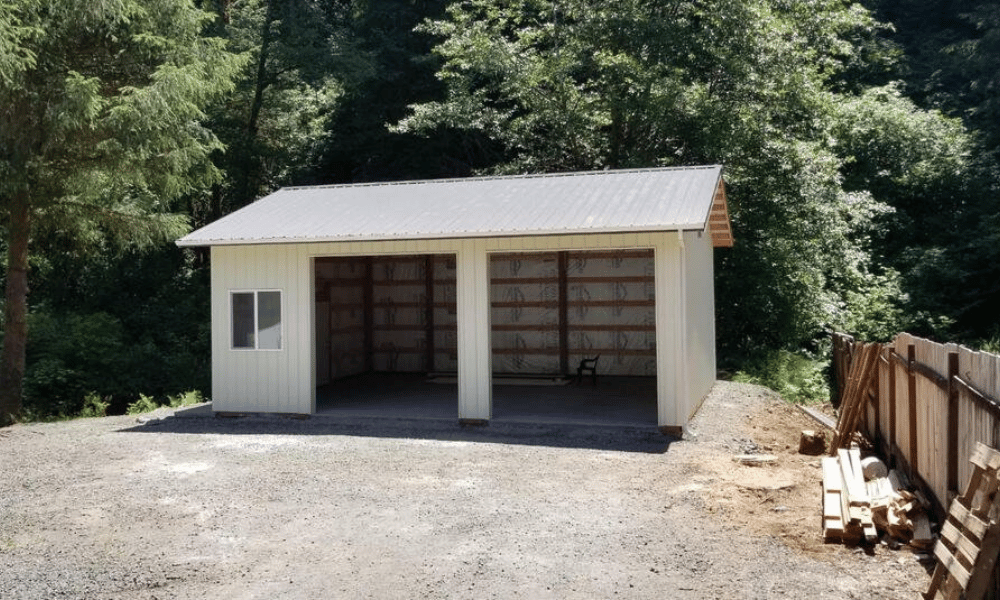
A pole barn is a simple structure built using posts (or poles) set into the ground or onto concrete footings and framed with wooden or metal siding. They can serve various purposes depending on your needs—be it agricultural storage, workshops, or even homes.
Benefits of Pole Barns
Cost-Effective: Generally less expensive than traditional buildings. Quick Construction: Can often be erected in days rather than weeks. Versatility: Suitable for various applications—residential, commercial, agricultural.Key Considerations When Designing Your Pole Barn
Step 1: Define Your Purpose
Before diving into designs and materials, you need to consider what you’ll use your pole barn for:
- Agricultural equipment storage? Workshops? Livestock housing?
This will directly affect not just the design but also the permits you'll require.
Step 2: Research Local Zoning Laws
Zoning laws dictate what you can build where. Be sure to consult with your local zoning office before moving forward.
Common Zoning Restrictions Include:
- Setback requirements Height restrictions Design guidelines
Step 3: Consult with Professionals
Once you've defined your purpose and researched zoning laws, it may be time to bring in professionals such as architects or contractors who specialize in pole barns. They can provide invaluable insights into both design possibilities and code compliance.
Navigating Building Codes When Designing a New Pole Barn
When it comes down to actually navigating building codes while designing your new pole barn, there are several key factors you’ll need to keep in mind:
Building Permits
Most areas will require some sort of building permit before you start construction. This usually involves submitting detailed plans that comply with local code requirements.
How Do I Obtain a Building Permit?
Prepare detailed plans showing dimensions and materials. Fill out an application form at your local building department. Pay any applicable fees. Wait for approval before breaking ground!Structural Requirements
Understanding structural requirements is crucial when you're designing your new pole barn:
Load-Bearing Capacity: Make sure your poles can handle snow loads if you're in snowy climates. Wind Resistance: If you're in hurricane-prone areas, ensure that your structure meets wind load requirements. Foundation Type: Will you go with concrete footings or post-frame? Each has its own code implications.Table 1: Structural Requirements by Region
| Region | Snow Load (lbs/sq ft) | Wind Speed (mph) | Foundation Type | |-----------------|-----------------------|------------------|------------------------| | Northern States | 40 | 90 | Concrete Footings | | Southern States | 20 | 120 | Post Frame |
Electrical and Plumbing Codes
If you plan on installing electricity or plumbing in your pole barn, you'll need to adhere strictly to electrical and plumbing codes as well.
Electrical Wiring Regulations
From proper grounding methods to circuit breaker installations, https://www.anibookmark.com/business/dean-lindsey-construction-bs319821.html understanding electrical wiring regulations is vital for safety.
Key Points:
- Use GFCI outlets in wet areas. Follow proper conduit installation guidelines.
Plumbing Regulations
If you're adding bathrooms or water sources inside your pole barn:
Check if a septic system is necessary. Ensure proper piping insulation against freezing temperatures.Energy Efficiency Standards
As our world becomes more conscious about energy consumption, many areas have begun implementing energy efficiency standards into their building codes.
Insulation Requirements
Proper insulation will not only make your pole barn more comfortable but also save you money on heating costs down the line! Check local guidelines for R-value requirements based on climate zones.
Sustainable Materials
Consider opting for eco-friendly materials during construction; this could give you credits toward meeting energy efficiency standards!
Fire Safety Regulations
It's essential not only from legal standpoints but also from safety perspectives that fire safety regulations are adhered to when designing your new pole barn.
Fire Exits & Emergency Access
Your design should include adequate fire exits leading outside; this is especially important if livestock or people will occupy the space regularly.
Material Choices
Choosing fire-resistant materials can help reduce risks significantly while potentially lowering insurance premiums too!
Landscaping Considerations
Don’t overlook how landscaping around your new structure might impact its longevity and compliance status either!
Drainage Systems
Proper drainage systems can prevent water buildup around foundations—a common cause of structural failure over time!
Checklist for Effective Drainage Solutions:
- Swales Ditches Retention ponds
FAQ Section
Q1: Do I need a permit for my new pole barn?
Absolutely! Most jurisdictions require permits before starting any construction project—including pole barns—to ensure compliance with local building codes.
Q2: How do I determine which building code applies?
Check with your local zoning office! They'll provide guidance tailored specifically for where you live—ensuring you're following all relevant regulations correctly.
Q3: Can I build my own pole barn without hiring professionals?
While DIY projects can be fulfilling (and cost-effective), it's wise at least consult experts regarding permits/code compliance—even if doing most work yourself!
Q4: What types of materials are best suited for pole barns?
Wooden frames are popular due largely their affordability—but metal siding offers durability benefits too! Ultimately depends on personal preference/budget constraints—and what suits intended use best!
Q5: Are there financing options available for constructing a new pole barn?
Yes! Many banks Dean Lindsey Construction offer loans specifically geared towards agricultural buildings/pole barns—often at competitive interest rates! Check locally available options based upon creditworthiness/financial history too!
Q6: How do I maintain my newly constructed pole barn after completion?
Regular inspections (especially post-storm) alongside maintenance routines such as re-sealing roofs/walls periodically help extend longevity while keeping up appearances—it pays off long-term!
Conclusion
Designing a new pole barn can be an exciting venture filled with endless possibilities—but don’t let excitement overshadow the critical aspect of navigating building codes effectively! By understanding necessary permissions/requirements upfront along with consulting experts where needed ensures smoother sailing toward completion—ultimately creating safe functional spaces fit precisely according users' needs! So roll up those sleeves—get started today on crafting that dream space without worry over legalities down road—but always remember—the devil’s often in details!